Have fun simulating a lie detector
Have you ever wondered if someone is telling the truth or if they are hiding something? Nowadays, thanks to technology, there are apps that promise to do exactly that: detect lies. However, before you get too excited, it's important to know that these apps are not as accurate as real lie detectors. Have fun simulating a lie detector.
In reality, they are just simulation applications created to make jokes or simply to have fun with friends. While the idea of having a lie detector on your phone may sound fascinating, you have to be clear that its purpose is more entertainment and not something serious.
In this article, we will talk about applications that simulate the function of a lie detector, detailing how they work, their characteristics, and most importantly: how to use them responsibly. Let's explore how they can be fun and what to expect from them, making it clear that they are not meant to be serious tools for judging people's veracity.
What is a lie detector?
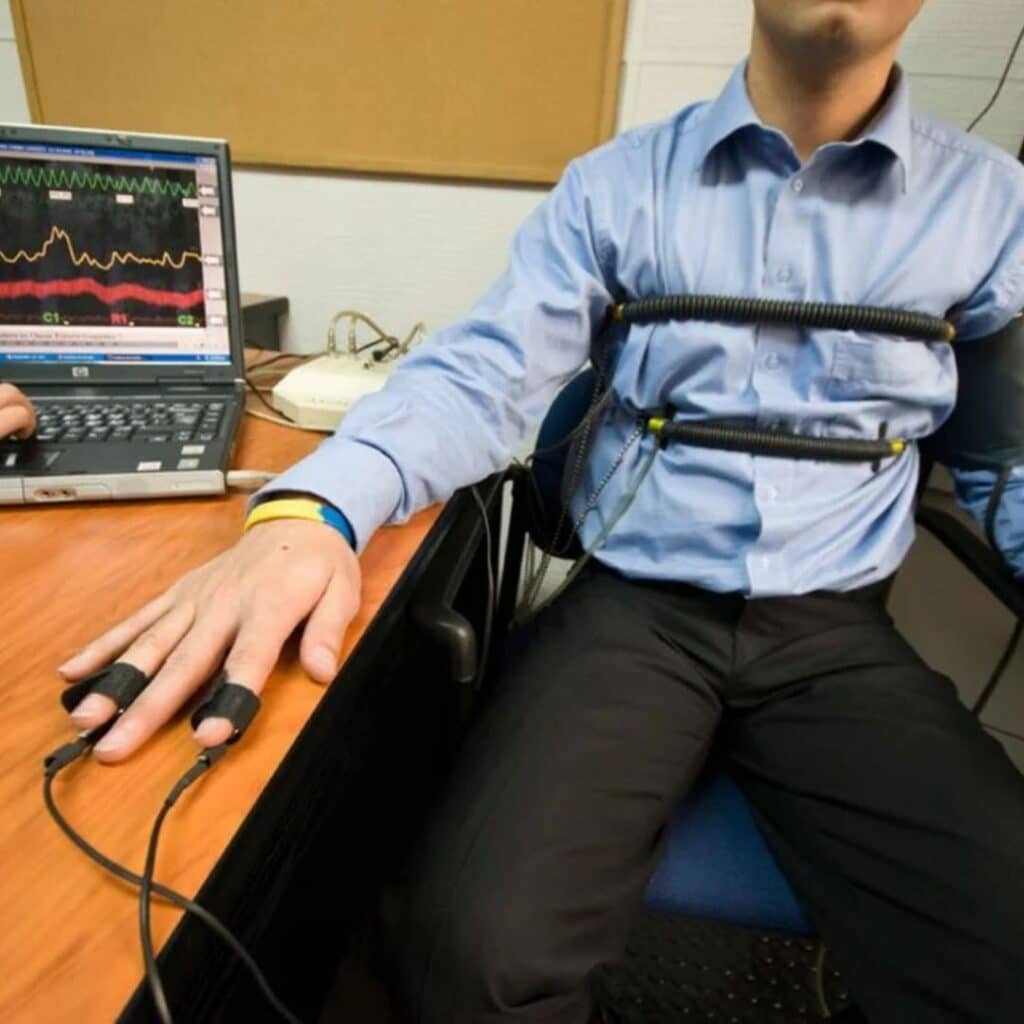
A lie detector, also known as a polygraph, is a machine used to measure and record various physiological responses, such as heart rate, breathing, and skin conductivity, while asking a person a series of questions. The goal of this machine is to determine whether the person is lying or telling the truth based on their physical responses. However, it should be noted that real lie detectors are not always 100% accurate. Physiological responses can be influenced by many variables that have nothing to do with lies.
Now, applications like Lie detector: Prank for Android and Scaner Lie Detector for iOS they are based on this concept, but they do not have the technology of a real polygraph. These apps use sensors that are available on mobile phones to generate a simulation experience.
Characteristics of simulation applications
1. Design and Functionality
These apps are designed to be simple and easy to use. Generally, you just have to open the app and place your finger on the fingerprint sensor or simply press a button to start the simulation. Users can start asking questions and the “detector” will start emitting sounds, lights or screens that indicate whether the person is “menting” or “dicing the truth”.
Although the interface varies between different applications, the basic mechanics are the same: generate a fun simulation that suggests the person is lying based on a false analysis of their behavior.
2. Response Simulation
A key feature of these apps is the way they simulate results. Although the person using the app may be telling the truth, the “” lie detector app could indicate otherwise, creating a comical or suspenseful atmosphere, ideal for making jokes with friends. No lie detector response should be taken seriously, as it does not actually measure any of the physiological responses that an authentic polygraph would evaluate.
3. Without Real Precision
It is important to note that these applications are not scientific tools. The accuracy of a polygraph depends on a number of factors that mobile applications cannot correctly assess, such as the skin's electrical conductivity, heart rate, and respiratory rate. Apps like Lie detector: Prank they do not measure these parameters seriously; They only simulate these processes for entertainment purposes. They should not be trusted to make important decisions or perform truthful analyzes on human behavior.
Common uses of lie detector simulation applications
1. Party Games
One of the most popular ways these apps are used is at social gatherings or parties. You can ask fun or compromising questions and see your friends' reactions when the app tells them they are lying. It's a light way to break the ice and have a good time with friends and family.
2. Innocent Jokes
Another common form of use is in pranks. If someone is playing a trivia game or doing a light activity, you can use the app to make someone think they are lying when they really aren't. However, it is important to remember that these types of pranks should be harmless and not cause discomfort or misunderstanding.
3. Have fun with the children
These apps can also be fun for little ones, who enjoy simulations. Children may enjoy seeing how answers change when they ask questions, without fully understanding how real lie detectors work.
Considerations on lie detector simulation
Although these apps are designed for fun, it is important to be aware of their limited purpose. They are not a serious tool for judging people's veracity, and the results they show should not be taken seriously. Here are some key considerations when using these apps:
1. They do not replace the truth
It is essential that when using these apps, everyone understands that the results are false. A real lie detector is not foolproof, much less a mobile app. Using the app as if it could tell you whether someone is lying or not can be misleading and lead to incorrect conclusions.
2. Responsibility
If you decide to use a lie detector app in a social setting, it is important to consider the impact it could have on others. While jokes can be funny, you need to make sure that no one feels uncomfortable or misunderstood due to a fake “” lie detector result.
3. It is not a scientific tool
Simulation applications should not be considered scientific or research tools. If you are looking to obtain accurate results about a person's behavior or intentions, you will need much more advanced methods than entertainment applications.
How to use these applications properly?
If you decide to use an application like Lie detector: Prank or Scaner Lie Detector, here are some tips to make the most of the experience without misunderstandings:
- Use them as part of a social game: Invite your friends to participate in a light game. You can ask fun questions and watch how “detect lies” while everyone has fun.
- Don't take them too seriously: Always remember that the app is only simulating a lie analysis. Don't think the app's answer is the truth.
- Don't pressure others to ask uncomfortable questions: While these apps can be fun, it's important to respect people's boundaries. Avoid asking questions that could put someone in an uncomfortable or compromising situation.
Conclusion
Applications like Lie detector: Prank for Android and Scaner Lie Detector for iOS they are simulation tools designed to provide entertainment and fun, not to provide real analysis on the veracity of people's responses. While they can be a fun way to joke or break the ice in meetings, it's important to remember that they shouldn't be taken seriously. When using them, make sure all participants understand that the results are completely fictitious.
Don't let simulations of these apps become serious. Always remember that they are just for fun and that the true purpose of a lie detector is found in scientific studies and not in mobile applications. Make sure you use them responsibly and enjoy the entertainment they offer without creating misunderstandings.